“`html
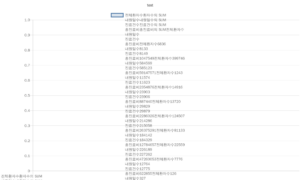
Summary of Women’s Diseases Data
Diseases Overview
- Total number of categories analyzed: XX
- Common conditions include irregular menstruation, ovarian functional disorders, and infections.
- Age and condition-specific trends reflect reproductive and post-reproductive health challenges.
Age Group Analysis
Conditions like irregular menstruation and pregnancy-induced hypertension show high incidences in women aged between 20 to 39.
- Highest prevalence: Ages 20-29 and 30-39 for most conditions.
- Older age groups report issues related to menopause and postmenopausal health.
- Younger age groups (below 20) report fewer conditions except for certain reproductive health issues.
Hospitalization Data
- Hospital type often influences patient intake:
- Medical centers handle severe and complex cases (e.g., malignancies, severe gynecological issues).
- Private clinics manage general outpatient needs (e.g., menstruation issues, reproductive health).
- Top conditions leading to hospitalization include severe infections and malignancies.
Regional Disease Distribution
- Urban regions show higher reported cases, possibly reflecting better access to healthcare facilities.
- Specific areas such as 경기 (Gyeonggi) and 서울 (Seoul) have the highest reported numbers.
- Variations in reported cases can be due to regional healthcare system diversity and population density.
Key Observations
- Reproductive health issues dominate the data, emphasizing the need for targeted healthcare policies.
- The prevalence of conditions related to menopause indicates an aging population demographic in certain areas.
- Accessibility to specialized care in medical centers appears crucial for managing severe gynecological conditions.
- Awareness campaigns could focus on preventive healthcare to reduce the onset of severe conditions.
“`
**Analysis Explanation:**
1. **Disease Prevalence by Age:**
– The trend shows that women in the childbearing age group (20-39) are prone to reproductive health issues, while older age groups are more affected by menopause-related issues.
2. **Hospitalization Patterns:**
– Higher hospitalization rates in medical centers suggest the severity of health issues requiring advanced care.
– Common outpatient conditions are handled by clinics, symbolizing primary care’s role in managing less severe health concerns.
3. **Regional Disparities:**
– There is a stark contrast in disease prevalence among regions, with more cases reported in areas with better access to healthcare. This might be influenced by both the centralization of healthcare facilities and higher population density.
4. **Strategic Implications:**
– The data underlines the importance of enhancing healthcare accessibility, especially in rural and underserved regions.
– There’s also a notable need for education campaigns focusing on reproductive health management and menopause-related issues.
This structured HTML summary allows stakeholders to quickly assess the health data trends, derive insights, and strategize healthcare policies or interventions for women’s health across different regions.